

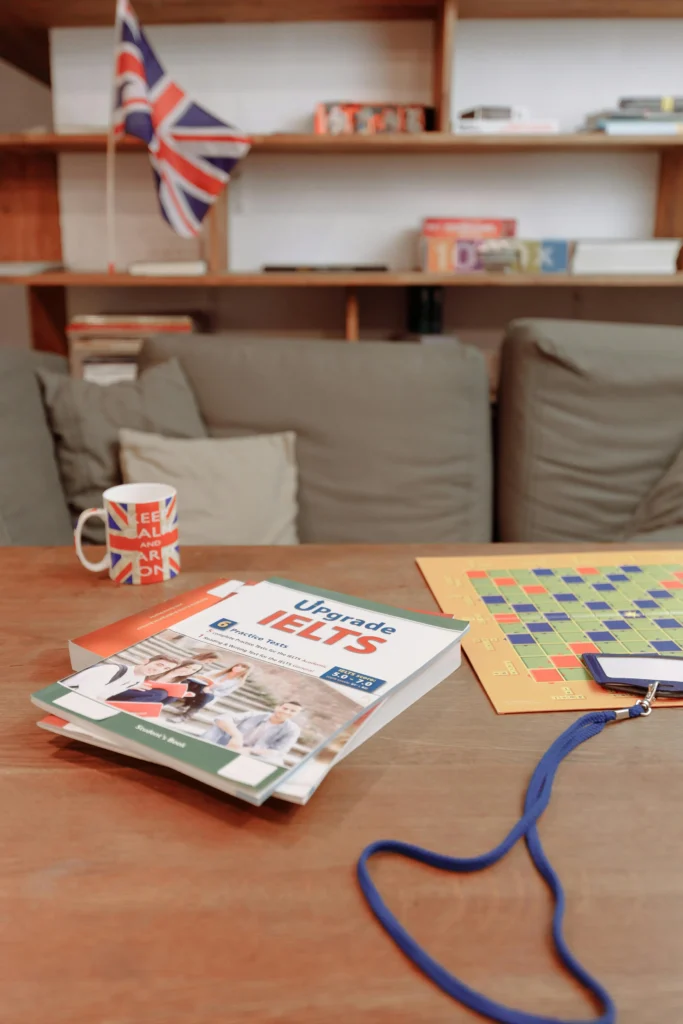
If you are already in the UK on a spouse or partner visa and preparing for your first visa extension, you may have been told that you now need A2 IELTS. For many people, this requirement comes as a surprise—and often with anxiety. But here’s the reassuring truth: this A2-level English test is still a basic language exam designed for everyday communication, not academic or professional performance.
The IELTS Life Skills A2 test is the next step after the A1 level. It builds slightly on what you already know, focusing on your ability to communicate more confidently in familiar situations. You are not expected to speak perfect English. Instead, you simply need to show that your English has improved naturally through daily life in the UK.
This guide explains everything you need to know about the Life Skills A2 assessment—what it is, who needs it, how the test works, how to prepare, and how to pass with confidence. If you previously passed the A1 exam, you are already halfway there.
What Is A2 IELTS
A2 IELTS refers to IELTS Life Skills A2, a Secure English Language Test (SELT) approved by the UK Home Office. It is required for certain applicants who are extending their family or spouse visa in the UK.
Like A1 IELTS, A2 IELTS tests only two skills:
- Listening
- Speaking
There is no Reading, no Writing, and no band score. The test is short, practical, and focused entirely on spoken communication in everyday situations.
The purpose of A2 IELTS is to show that you can:
- Understand simple spoken English
- Communicate in routine daily situations
- Take part in basic conversations
It reflects real life—talking to people, asking questions, understanding instructions—not classroom learning.
Why A2 IELTS Is Important
A2 IELTS is important because it is a mandatory requirement for many UK spouse and partner visa extensions. Without it, your visa extension application may be refused or delayed, even if everything else is correct.
The UK government introduced A2 IELTS to ensure that applicants continue improving their English while living in the UK. It shows progress—from basic survival English (A1) to more confident everyday communication (A2).
Passing A2 IELTS demonstrates that you are:
- Integrating into UK society
- Able to communicate beyond very basic phrases
- Building independence in daily life
It’s not about perfection—it’s about progress.
Who Needs
You usually need A2 IELTS if:
- You are applying for a UK spouse or partner visa extension
- You previously passed A1 IELTS
- English is not your first language
A2 IELTS is typically required at the 2.5-year visa extension stage. Later, for settlement (ILR), you will need B1 IELTS.
You may be exempt from A2 IELTS if:
- You are from a majority English-speaking country
- You have a recognized English qualification
- You meet specific age or medical exemption criteria
Always confirm requirements with the latest UK Home Office guidance.
A2 IELTS and CEFR Level Explained
A2 IELTS corresponds to CEFR Level A2, which is described as a basic user with improved communication ability.
At A2 level, you can:
- Understand frequently used expressions
- Communicate in simple, routine tasks
- Describe aspects of your background and daily life
- Participate in short conversations
Compared to A1, A2 requires more interaction, not just short answers. You are expected to respond, ask questions, and keep a simple conversation going.
Difference Between A2 IELTS and Regular IELTS
Many candidates worry unnecessarily because they confuse A2 IELTS with regular IELTS. They are completely different tests.
| Feature | A2 IELTS | Regular IELTS |
| Skills Tested | Listening & Speaking | All 4 skills |
| Difficulty | Basic | Intermediate–Advanced |
| Purpose | UK visa extension | Study, work, migration |
| Scoring | Pass / Fail | Band 0–9 |
If your visa requires IELTS Life Skills A2, regular IELTS will not be accepted.
Test Format Explained
A2 IELTS is a face-to-face test conducted at a UKVI-approved test center. The total test time is usually 16–18 minutes.
Listening Component
You will listen to:
- Short conversations
- Instructions
- Simple spoken information
You may respond by:
- Answering questions
- Giving short spoken responses
The listening tasks reflect everyday situations like appointments, travel, or daily routines.
Speaking Component
The speaking part involves:
- Talking with the examiner
- Sometimes interacting with another candidate
- Asking and answering simple questions
You are encouraged to speak naturally, even if your grammar is not perfect.
Speaking Test in Detail
The speaking test focuses on interaction, not memorization. You may be asked to:
- Talk about your daily life
- Describe plans or routines
- Ask and answer questions
- Participate in simple role-play situations
Examiners look for:
- Clear pronunciation
- Basic vocabulary
- Ability to respond and interact
You are allowed to make mistakes. Silence is worse than errors.
Listening Test in Detail
The listening test checks whether you can:
- Understand basic spoken English
- Follow simple instructions
- Identify key information
You may listen to:
- Conversations between two people
- Announcements or instructions
The language is clear and spoken at a natural but slow pace.
Scoring System
A2 IELTS uses a pass or fail system. There are no band scores or marks shown.
To pass, you must demonstrate:
- Basic understanding of spoken English
- Ability to communicate in everyday situations
The examiner’s role is supportive, not judgmental. The test is designed to reflect real communication, not academic performance.
Test Day Experience
On test day:
- Arrive early at the UKVI-approved test center
- Bring your valid passport or ID
- Complete identity verification
- Take the test in a calm environment
The atmosphere is usually friendly and relaxed, especially for Life Skills candidates.
Common Topics
A2 IELTS topics are familiar and practical, including:
- Daily routines
- Work and hobbies
- Shopping and services
- Health and appointments
- Family and relationships
No topic requires special knowledge—only everyday English.
How to Prepare for Test
Preparation for A2 IELTS should be practical and consistent. Focus on:
- Speaking English daily
- Listening to simple conversations
- Practicing common questions and answers
You don’t need complex books. Everyday English practice is more effective.
Preparation Tips
- Practice speaking aloud every day
- Don’t memorize long answers
- Ask for repetition if you don’t understand
- Speak clearly and calmly
Confidence and clarity matter more than grammar accuracy.
Common Mistakes
- Giving very short answers
- Staying silent due to nervousness
- Memorizing responses
- Not listening carefully
Remember: interaction is key at A2 level.
Fees and Validity
A2 IELTS fees vary by country and test center. The cost is usually similar to A1 IELTS due to UKVI security requirements.
The result is valid for two years.
A2 vs A1 and B1 Life Skills
- A1 IELTS: Entry level (first visa)
- A2 IELTS: Extension level
- B1 IELTS: Settlement and citizenship
Each level shows gradual improvement in English ability.
Benefits of Passing
Passing A2 IELTS allows you to:
- Extend your UK spouse or partner visa
- Meet Home Office English requirements
- Build confidence in daily communication
It’s another important step toward long-term settlement.
Conclusion
A2 IELTS is not a difficult test—it is a natural step forward in your English journey. If you are using English in daily life, you are already preparing. With calm practice, basic conversation skills, and confidence, passing A2 IELTS is completely achievable. Take it step by step, and trust your progress.